A PHP Error was encountered
Severity: 8192
Message: Creation of dynamic property CI_URI::$config is deprecated
Filename: core/URI.php
Line Number: 102
Backtrace:
File: /home/u814529441/domains/techmines.co.in/public_html/petcare/index.php
A PHP Error was encountered
Severity: 8192
Message: Creation of dynamic property CI_Router::$uri is deprecated
Filename: core/Router.php
Line Number: 128
Backtrace:
File: /home/u814529441/domains/techmines.co.in/public_html/petcare/index.php
A PHP Error was encountered
Severity: 8192
Message: Creation of dynamic property Breed::$benchmark is deprecated
Filename: core/Controller.php
Line Number: 83
Backtrace:
File: /home/u814529441/domains/techmines.co.in/public_html/petcare/application/controllers/Breed.php
File: /home/u814529441/domains/techmines.co.in/public_html/petcare/index.php
A PHP Error was encountered
Severity: 8192
Message: Creation of dynamic property Breed::$hooks is deprecated
Filename: core/Controller.php
Line Number: 83
Backtrace:
File: /home/u814529441/domains/techmines.co.in/public_html/petcare/application/controllers/Breed.php
File: /home/u814529441/domains/techmines.co.in/public_html/petcare/index.php
A PHP Error was encountered
Severity: 8192
Message: Creation of dynamic property Breed::$config is deprecated
Filename: core/Controller.php
Line Number: 83
Backtrace:
File: /home/u814529441/domains/techmines.co.in/public_html/petcare/application/controllers/Breed.php
File: /home/u814529441/domains/techmines.co.in/public_html/petcare/index.php
A PHP Error was encountered
Severity: 8192
Message: Creation of dynamic property Breed::$log is deprecated
Filename: core/Controller.php
Line Number: 83
Backtrace:
File: /home/u814529441/domains/techmines.co.in/public_html/petcare/application/controllers/Breed.php
File: /home/u814529441/domains/techmines.co.in/public_html/petcare/index.php
A PHP Error was encountered
Severity: 8192
Message: Creation of dynamic property Breed::$utf8 is deprecated
Filename: core/Controller.php
Line Number: 83
Backtrace:
File: /home/u814529441/domains/techmines.co.in/public_html/petcare/application/controllers/Breed.php
File: /home/u814529441/domains/techmines.co.in/public_html/petcare/index.php
A PHP Error was encountered
Severity: 8192
Message: Creation of dynamic property Breed::$uri is deprecated
Filename: core/Controller.php
Line Number: 83
Backtrace:
File: /home/u814529441/domains/techmines.co.in/public_html/petcare/application/controllers/Breed.php
File: /home/u814529441/domains/techmines.co.in/public_html/petcare/index.php
A PHP Error was encountered
Severity: 8192
Message: Creation of dynamic property Breed::$exceptions is deprecated
Filename: core/Controller.php
Line Number: 83
Backtrace:
File: /home/u814529441/domains/techmines.co.in/public_html/petcare/application/controllers/Breed.php
File: /home/u814529441/domains/techmines.co.in/public_html/petcare/index.php
A PHP Error was encountered
Severity: 8192
Message: Creation of dynamic property Breed::$router is deprecated
Filename: core/Controller.php
Line Number: 83
Backtrace:
File: /home/u814529441/domains/techmines.co.in/public_html/petcare/application/controllers/Breed.php
File: /home/u814529441/domains/techmines.co.in/public_html/petcare/index.php
A PHP Error was encountered
Severity: 8192
Message: Creation of dynamic property Breed::$output is deprecated
Filename: core/Controller.php
Line Number: 83
Backtrace:
File: /home/u814529441/domains/techmines.co.in/public_html/petcare/application/controllers/Breed.php
File: /home/u814529441/domains/techmines.co.in/public_html/petcare/index.php
A PHP Error was encountered
Severity: 8192
Message: Creation of dynamic property Breed::$security is deprecated
Filename: core/Controller.php
Line Number: 83
Backtrace:
File: /home/u814529441/domains/techmines.co.in/public_html/petcare/application/controllers/Breed.php
File: /home/u814529441/domains/techmines.co.in/public_html/petcare/index.php
A PHP Error was encountered
Severity: 8192
Message: Creation of dynamic property Breed::$input is deprecated
Filename: core/Controller.php
Line Number: 83
Backtrace:
File: /home/u814529441/domains/techmines.co.in/public_html/petcare/application/controllers/Breed.php
File: /home/u814529441/domains/techmines.co.in/public_html/petcare/index.php
A PHP Error was encountered
Severity: 8192
Message: Creation of dynamic property Breed::$lang is deprecated
Filename: core/Controller.php
Line Number: 83
Backtrace:
File: /home/u814529441/domains/techmines.co.in/public_html/petcare/application/controllers/Breed.php
File: /home/u814529441/domains/techmines.co.in/public_html/petcare/index.php
A PHP Error was encountered
Severity: 8192
Message: Creation of dynamic property Breed::$db is deprecated
Filename: core/Loader.php
Line Number: 397
Backtrace:
File: /home/u814529441/domains/techmines.co.in/public_html/petcare/application/controllers/Breed.php
File: /home/u814529441/domains/techmines.co.in/public_html/petcare/index.php
A PHP Error was encountered
Severity: 8192
Message: Creation of dynamic property CI_DB_mysqli_driver::$failover is deprecated
Filename: database/DB_driver.php
Line Number: 372
Backtrace:
File: /home/u814529441/domains/techmines.co.in/public_html/petcare/application/controllers/Breed.php
File: /home/u814529441/domains/techmines.co.in/public_html/petcare/index.php
A PHP Error was encountered
Severity: Warning
Message: ini_set(): Session ini settings cannot be changed after headers have already been sent
Filename: Session/Session.php
Line Number: 303
Backtrace:
File: /home/u814529441/domains/techmines.co.in/public_html/petcare/application/controllers/Breed.php
File: /home/u814529441/domains/techmines.co.in/public_html/petcare/index.php
A PHP Error was encountered
Severity: Warning
Message: session_set_cookie_params(): Session cookie parameters cannot be changed after headers have already been sent
Filename: Session/Session.php
Line Number: 328
Backtrace:
File: /home/u814529441/domains/techmines.co.in/public_html/petcare/application/controllers/Breed.php
File: /home/u814529441/domains/techmines.co.in/public_html/petcare/index.php
A PHP Error was encountered
Severity: Warning
Message: ini_set(): Session ini settings cannot be changed after headers have already been sent
Filename: Session/Session.php
Line Number: 355
Backtrace:
File: /home/u814529441/domains/techmines.co.in/public_html/petcare/application/controllers/Breed.php
File: /home/u814529441/domains/techmines.co.in/public_html/petcare/index.php
A PHP Error was encountered
Severity: Warning
Message: ini_set(): Session ini settings cannot be changed after headers have already been sent
Filename: Session/Session.php
Line Number: 365
Backtrace:
File: /home/u814529441/domains/techmines.co.in/public_html/petcare/application/controllers/Breed.php
File: /home/u814529441/domains/techmines.co.in/public_html/petcare/index.php
A PHP Error was encountered
Severity: Warning
Message: ini_set(): Session ini settings cannot be changed after headers have already been sent
Filename: Session/Session.php
Line Number: 366
Backtrace:
File: /home/u814529441/domains/techmines.co.in/public_html/petcare/application/controllers/Breed.php
File: /home/u814529441/domains/techmines.co.in/public_html/petcare/index.php
A PHP Error was encountered
Severity: Warning
Message: ini_set(): Session ini settings cannot be changed after headers have already been sent
Filename: Session/Session.php
Line Number: 367
Backtrace:
File: /home/u814529441/domains/techmines.co.in/public_html/petcare/application/controllers/Breed.php
File: /home/u814529441/domains/techmines.co.in/public_html/petcare/index.php
A PHP Error was encountered
Severity: Warning
Message: ini_set(): Session ini settings cannot be changed after headers have already been sent
Filename: Session/Session.php
Line Number: 368
Backtrace:
File: /home/u814529441/domains/techmines.co.in/public_html/petcare/application/controllers/Breed.php
File: /home/u814529441/domains/techmines.co.in/public_html/petcare/index.php
A PHP Error was encountered
Severity: Warning
Message: ini_set(): Session ini settings cannot be changed after headers have already been sent
Filename: Session/Session.php
Line Number: 426
Backtrace:
File: /home/u814529441/domains/techmines.co.in/public_html/petcare/application/controllers/Breed.php
File: /home/u814529441/domains/techmines.co.in/public_html/petcare/index.php
A PHP Error was encountered
Severity: Warning
Message: session_set_save_handler(): Session save handler cannot be changed after headers have already been sent
Filename: Session/Session.php
Line Number: 110
Backtrace:
File: /home/u814529441/domains/techmines.co.in/public_html/petcare/application/controllers/Breed.php
File: /home/u814529441/domains/techmines.co.in/public_html/petcare/index.php
A PHP Error was encountered
Severity: Warning
Message: session_start(): Session cannot be started after headers have already been sent
Filename: Session/Session.php
Line Number: 137
Backtrace:
File: /home/u814529441/domains/techmines.co.in/public_html/petcare/application/controllers/Breed.php
File: /home/u814529441/domains/techmines.co.in/public_html/petcare/index.php
A PHP Error was encountered
Severity: 8192
Message: Creation of dynamic property Breed::$session is deprecated
Filename: core/Loader.php
Line Number: 1284
Backtrace:
File: /home/u814529441/domains/techmines.co.in/public_html/petcare/application/controllers/Breed.php
File: /home/u814529441/domains/techmines.co.in/public_html/petcare/index.php
A PHP Error was encountered
Severity: 8192
Message: Creation of dynamic property Breed::$form_validation is deprecated
Filename: core/Loader.php
Line Number: 1284
Backtrace:
File: /home/u814529441/domains/techmines.co.in/public_html/petcare/application/controllers/Breed.php
File: /home/u814529441/domains/techmines.co.in/public_html/petcare/index.php
A PHP Error was encountered
Severity: 8192
Message: Creation of dynamic property Breed::$upload is deprecated
Filename: core/Loader.php
Line Number: 1284
Backtrace:
File: /home/u814529441/domains/techmines.co.in/public_html/petcare/application/controllers/Breed.php
File: /home/u814529441/domains/techmines.co.in/public_html/petcare/index.php
A PHP Error was encountered
Severity: 8192
Message: Creation of dynamic property Functions::$obj is deprecated
Filename: libraries/Functions.php
Line Number: 6
Backtrace:
File: /home/u814529441/domains/techmines.co.in/public_html/petcare/application/libraries/Functions.php
File: /home/u814529441/domains/techmines.co.in/public_html/petcare/application/controllers/Breed.php
File: /home/u814529441/domains/techmines.co.in/public_html/petcare/index.php
A PHP Error was encountered
Severity: 8192
Message: Creation of dynamic property Breed::$functions is deprecated
Filename: core/Loader.php
Line Number: 1284
Backtrace:
File: /home/u814529441/domains/techmines.co.in/public_html/petcare/application/controllers/Breed.php
File: /home/u814529441/domains/techmines.co.in/public_html/petcare/index.php
A PHP Error was encountered
Severity: 8192
Message: Creation of dynamic property Breed::$Query_model is deprecated
Filename: core/Loader.php
Line Number: 359
Backtrace:
File: /home/u814529441/domains/techmines.co.in/public_html/petcare/application/controllers/Breed.php
File: /home/u814529441/domains/techmines.co.in/public_html/petcare/index.php
A PHP Error was encountered
Severity: 8192
Message: Creation of dynamic property CI_Loader::$load is deprecated
Filename: core/Loader.php
Line Number: 932
Backtrace:
File: /home/u814529441/domains/techmines.co.in/public_html/petcare/application/controllers/Breed.php
File: /home/u814529441/domains/techmines.co.in/public_html/petcare/index.php
A PHP Error was encountered
Severity: 8192
Message: Creation of dynamic property CI_Loader::$benchmark is deprecated
Filename: core/Loader.php
Line Number: 932
Backtrace:
File: /home/u814529441/domains/techmines.co.in/public_html/petcare/application/controllers/Breed.php
File: /home/u814529441/domains/techmines.co.in/public_html/petcare/index.php
A PHP Error was encountered
Severity: 8192
Message: Creation of dynamic property CI_Loader::$hooks is deprecated
Filename: core/Loader.php
Line Number: 932
Backtrace:
File: /home/u814529441/domains/techmines.co.in/public_html/petcare/application/controllers/Breed.php
File: /home/u814529441/domains/techmines.co.in/public_html/petcare/index.php
A PHP Error was encountered
Severity: 8192
Message: Creation of dynamic property CI_Loader::$config is deprecated
Filename: core/Loader.php
Line Number: 932
Backtrace:
File: /home/u814529441/domains/techmines.co.in/public_html/petcare/application/controllers/Breed.php
File: /home/u814529441/domains/techmines.co.in/public_html/petcare/index.php
A PHP Error was encountered
Severity: 8192
Message: Creation of dynamic property CI_Loader::$log is deprecated
Filename: core/Loader.php
Line Number: 932
Backtrace:
File: /home/u814529441/domains/techmines.co.in/public_html/petcare/application/controllers/Breed.php
File: /home/u814529441/domains/techmines.co.in/public_html/petcare/index.php
A PHP Error was encountered
Severity: 8192
Message: Creation of dynamic property CI_Loader::$utf8 is deprecated
Filename: core/Loader.php
Line Number: 932
Backtrace:
File: /home/u814529441/domains/techmines.co.in/public_html/petcare/application/controllers/Breed.php
File: /home/u814529441/domains/techmines.co.in/public_html/petcare/index.php
A PHP Error was encountered
Severity: 8192
Message: Creation of dynamic property CI_Loader::$uri is deprecated
Filename: core/Loader.php
Line Number: 932
Backtrace:
File: /home/u814529441/domains/techmines.co.in/public_html/petcare/application/controllers/Breed.php
File: /home/u814529441/domains/techmines.co.in/public_html/petcare/index.php
A PHP Error was encountered
Severity: 8192
Message: Creation of dynamic property CI_Loader::$exceptions is deprecated
Filename: core/Loader.php
Line Number: 932
Backtrace:
File: /home/u814529441/domains/techmines.co.in/public_html/petcare/application/controllers/Breed.php
File: /home/u814529441/domains/techmines.co.in/public_html/petcare/index.php
A PHP Error was encountered
Severity: 8192
Message: Creation of dynamic property CI_Loader::$router is deprecated
Filename: core/Loader.php
Line Number: 932
Backtrace:
File: /home/u814529441/domains/techmines.co.in/public_html/petcare/application/controllers/Breed.php
File: /home/u814529441/domains/techmines.co.in/public_html/petcare/index.php
A PHP Error was encountered
Severity: 8192
Message: Creation of dynamic property CI_Loader::$output is deprecated
Filename: core/Loader.php
Line Number: 932
Backtrace:
File: /home/u814529441/domains/techmines.co.in/public_html/petcare/application/controllers/Breed.php
File: /home/u814529441/domains/techmines.co.in/public_html/petcare/index.php
A PHP Error was encountered
Severity: 8192
Message: Creation of dynamic property CI_Loader::$security is deprecated
Filename: core/Loader.php
Line Number: 932
Backtrace:
File: /home/u814529441/domains/techmines.co.in/public_html/petcare/application/controllers/Breed.php
File: /home/u814529441/domains/techmines.co.in/public_html/petcare/index.php
A PHP Error was encountered
Severity: 8192
Message: Creation of dynamic property CI_Loader::$input is deprecated
Filename: core/Loader.php
Line Number: 932
Backtrace:
File: /home/u814529441/domains/techmines.co.in/public_html/petcare/application/controllers/Breed.php
File: /home/u814529441/domains/techmines.co.in/public_html/petcare/index.php
A PHP Error was encountered
Severity: 8192
Message: Creation of dynamic property CI_Loader::$lang is deprecated
Filename: core/Loader.php
Line Number: 932
Backtrace:
File: /home/u814529441/domains/techmines.co.in/public_html/petcare/application/controllers/Breed.php
File: /home/u814529441/domains/techmines.co.in/public_html/petcare/index.php
A PHP Error was encountered
Severity: 8192
Message: Creation of dynamic property CI_Loader::$db is deprecated
Filename: core/Loader.php
Line Number: 932
Backtrace:
File: /home/u814529441/domains/techmines.co.in/public_html/petcare/application/controllers/Breed.php
File: /home/u814529441/domains/techmines.co.in/public_html/petcare/index.php
A PHP Error was encountered
Severity: 8192
Message: Creation of dynamic property CI_Loader::$session is deprecated
Filename: core/Loader.php
Line Number: 932
Backtrace:
File: /home/u814529441/domains/techmines.co.in/public_html/petcare/application/controllers/Breed.php
File: /home/u814529441/domains/techmines.co.in/public_html/petcare/index.php
A PHP Error was encountered
Severity: 8192
Message: Creation of dynamic property CI_Loader::$form_validation is deprecated
Filename: core/Loader.php
Line Number: 932
Backtrace:
File: /home/u814529441/domains/techmines.co.in/public_html/petcare/application/controllers/Breed.php
File: /home/u814529441/domains/techmines.co.in/public_html/petcare/index.php
A PHP Error was encountered
Severity: 8192
Message: Creation of dynamic property CI_Loader::$upload is deprecated
Filename: core/Loader.php
Line Number: 932
Backtrace:
File: /home/u814529441/domains/techmines.co.in/public_html/petcare/application/controllers/Breed.php
File: /home/u814529441/domains/techmines.co.in/public_html/petcare/index.php
A PHP Error was encountered
Severity: 8192
Message: Creation of dynamic property CI_Loader::$functions is deprecated
Filename: core/Loader.php
Line Number: 932
Backtrace:
File: /home/u814529441/domains/techmines.co.in/public_html/petcare/application/controllers/Breed.php
File: /home/u814529441/domains/techmines.co.in/public_html/petcare/index.php
A PHP Error was encountered
Severity: 8192
Message: Creation of dynamic property CI_Loader::$Query_model is deprecated
Filename: core/Loader.php
Line Number: 932
Backtrace:
File: /home/u814529441/domains/techmines.co.in/public_html/petcare/application/controllers/Breed.php
File: /home/u814529441/domains/techmines.co.in/public_html/petcare/index.php
Alaskan Malamute Puppies for Sale | Majestic & Loyal Companions at Dog Village
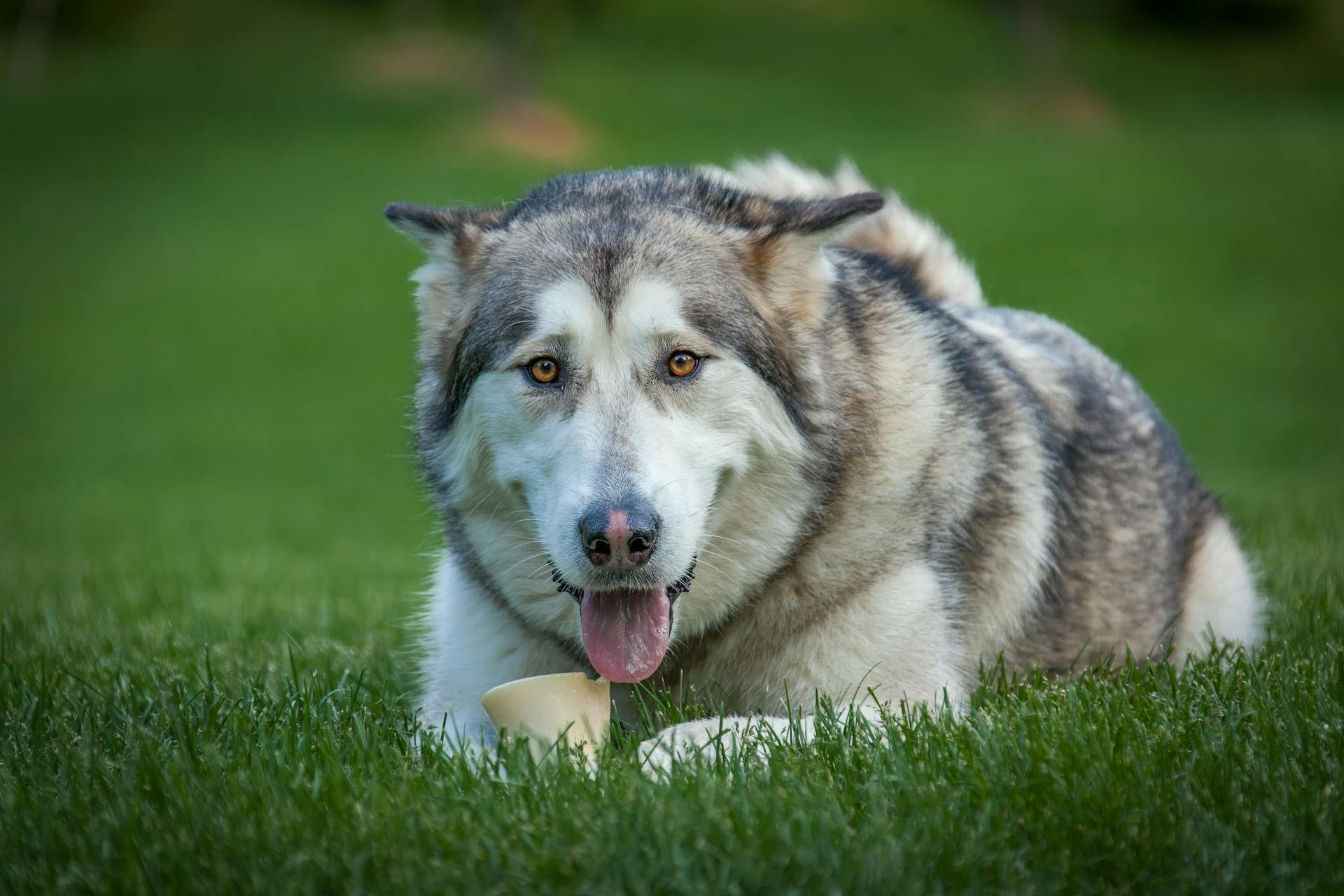
Alaskan Malamute
At Dog Village, we proudly offer strong and majestic Alaskan Malamute puppies, known for their thick coats, friendly nature, and incredible endurance. Originally bred for hauling heavy loads in Arctic conditions, Alaskan Malamutes are loyal, playful, and make excellent companions for active families and individuals. Their stunning appearance and loving personalities make them a favorite among dog lovers.
Key Features:
Size: Large (23–25 inches tall, 75–100 lbs in weight)Lifespan: 10–14 yearsCoat: Dense, double-layered, and weather-resistant; typically gray, black, red, or sable with white markingsTemperament: Friendly, loyal, playful, and strong-willedIntelligence: Highly intelligent but independent, requiring consistent trainingExercise Needs: High; thrives on daily physical activity like long walks, runs, and outdoor playSocialization: Excellent with families and children; friendly but reserved with strangers